Hale Fermented Home

Category

Culture & Heritage

9 articles

Eating Your Roots: How Your Ancestors' Ferments May Have Shaped Your Gut

Eating Your Roots: How Your Ancestors' Ferments May Have Shaped Your Gut

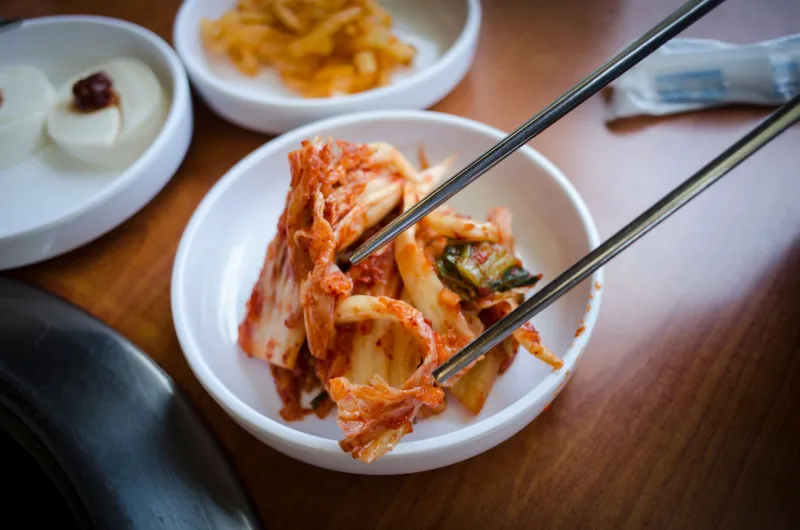
Your microbiome didn't arrive in a vacuum. Thousands of years of ancestral food traditions — the kimchi in Korean kitchens, the injera in Ethiopian households, the kvass on Eastern European tables — may have left a biological fingerprint on your digestive system that still shows up today. Tracing your fermentation heritage isn't just a cultural exercise. It might be one of the most personalized gut health strategies available to you.
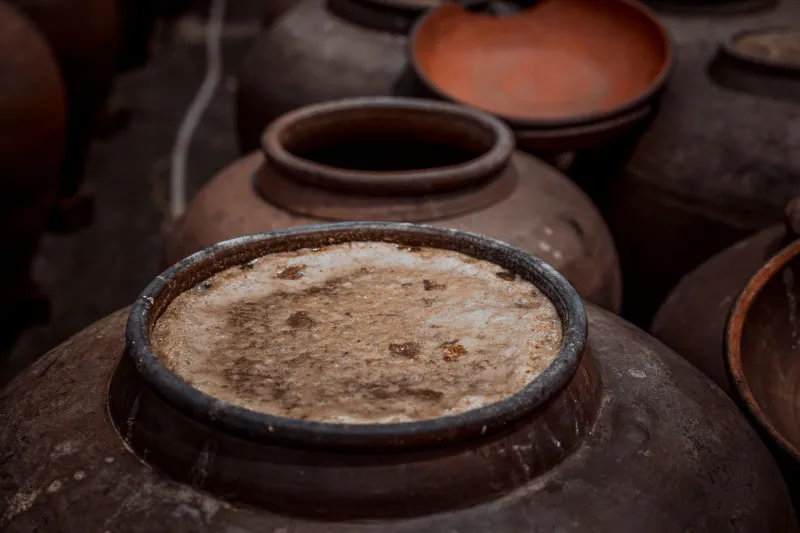
Your Zip Code Is an Ingredient: How Where You Live Shapes Every Ferment You Make

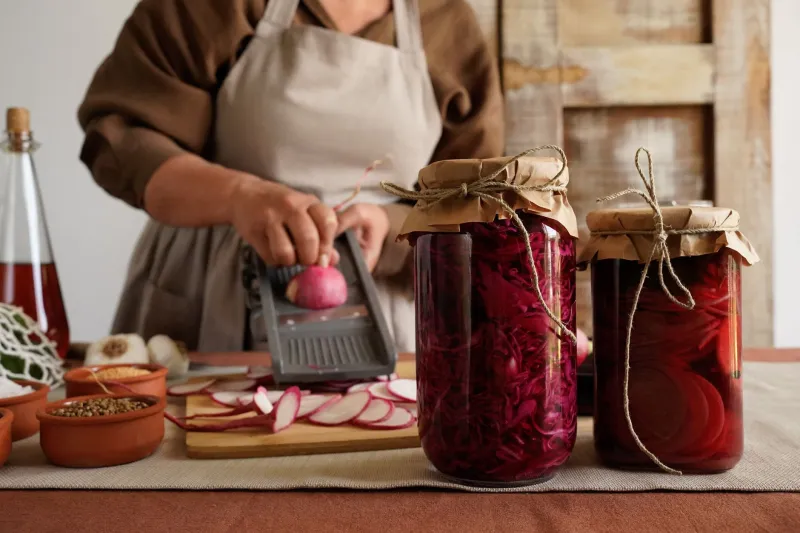
The water coming out of your tap, the cabbage from your farmers market, and the ambient temperature in your kitchen aren't just background conditions — they're active participants in your ferments. Regional variables create flavor profiles that no recipe can fully predict, and that's exactly what makes homemade fermentation so alive.

When Your Ferment Looks Scary: A Calm, No-Panic Guide to Fixing the 5 Most Common Beginner Mistakes

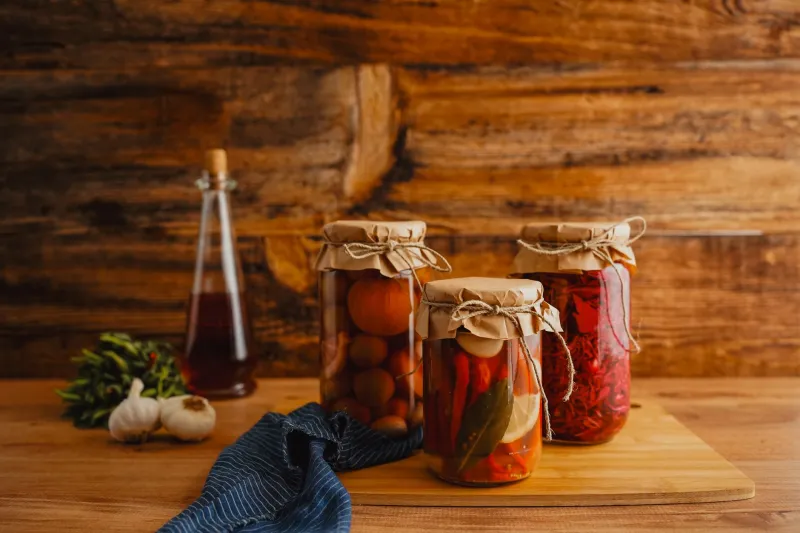
Home fermentation has been practiced by ordinary people for thousands of years without modern equipment, sterile labs, or YouTube tutorials—and yet somehow, it still manages to feel intimidating. Whether you've opened your crock to find a suspicious white layer, caught a whiff of something funky, or watched your kombucha turn into a carbonation volcano, this guide is here to talk you off the ledge. Most fermentation "fails" are either completely normal or totally fixable.

The Recipes That Almost Disappeared — And the Families Bringing Them Back

The Recipes That Almost Disappeared — And the Families Bringing Them Back

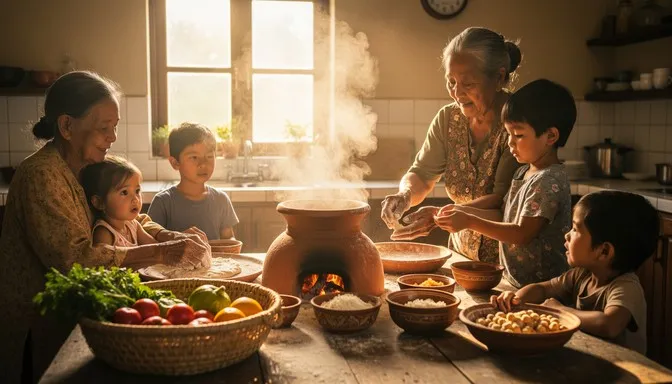
Across America, a quiet culinary homecoming is happening in home kitchens. Third and fourth-generation Americans are digging through recipe boxes, calling grandparents, and learning to ferment the way their ancestors did — from Korean kimchi to Polish beet kvass to Mexican tepache. These are their stories.